Monthly Expenses for Rental Property Owners
One of the responsibilities you have as a property investor is knowing how to account for your rental finance activity. This means tracking every penny that comes in and goes out to accurately determine the cash flow and return on your investment.
Not every property expense hits every month, but when they do, you’d better be prepared because they can be expensive.
Here are the expenses that a rental property owner may have to pay:
1. Repairs and Maintenance
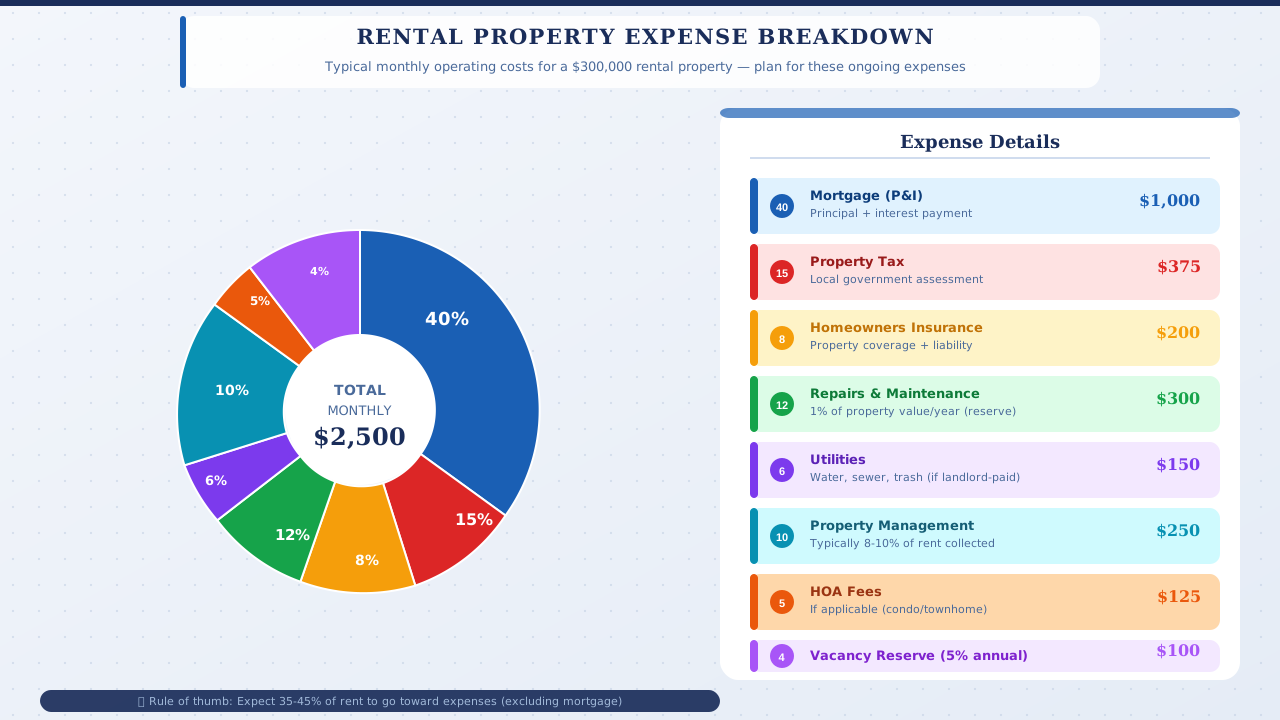
It’s always a good idea to budget around 10–15% of the rental rate for repairs and maintenance. To save money, purchase rental property in a neighborhood with a low turnover rate — meaning fewer residents moving in and out. This reduces the need for frequent repairs.
For example, if your rental income is $1,500/month and you set aside 10%, that’s $150/month or $1,800/year for repairs. If your neighborhood has low turnover, you may not even spend the full amount.
2. Vacancy Rate
When a property has unoccupied units, that’s your vacancy rate — and it’s a negative expense, meaning negative income. Rental property owners pay mortgage every month whether or not the property is making money.
As an investor, do your due diligence researching the vacancy rate in the neighborhood before buying. A strong rental market means it’s easier to find quality tenants.
3. Property Taxes
Property taxes are probably the easiest cost to estimate since they’re paid annually. The average property tax rate in the United States is about 1.31%, though it varies by state. The cost depends on your property’s assessed value — size, age, condition, and improvements are all taken into consideration.
For example, a property assessed at $300,000 with a 1.5% tax rate would have an annual property tax of $4,500.
4. Property Insurance
Insurance protects your rental property from accidents or damages such as fire, natural disasters, vandalism, or liability issues. Contact insurance companies to get quotes specific to your property’s address, size, age, and features.
5. Mortgage Payments
If you have a mortgage on your rental property, you’ll need to make regular payments. The amount depends on your interest rate, loan balance, and loan term. If you want to understand the different types of mortgage loans available, check out our separate guide. And don’t forget about MIP and PMI — they add to your monthly costs.
6. Property Management
Property management fees typically range between 5% and 12% of collected rent each month. For example, at 8% on $1,500/month rent, you’d pay $120/month. Some managers also charge additional fees for tenant placement, lease preparation, eviction proceedings, or marketing.
When is the right time to hire a property manager? Generally, when you start acquiring more properties and find that managing them becomes too much to handle. To keep all these expenses properly tracked, it’s wise to work with a real estate bookkeeper who can organize your financial records year-round.
Understanding these expenses is critical before you buy your first rental property or start running the BRRRR method.