What Is Real Estate Wholesaling?
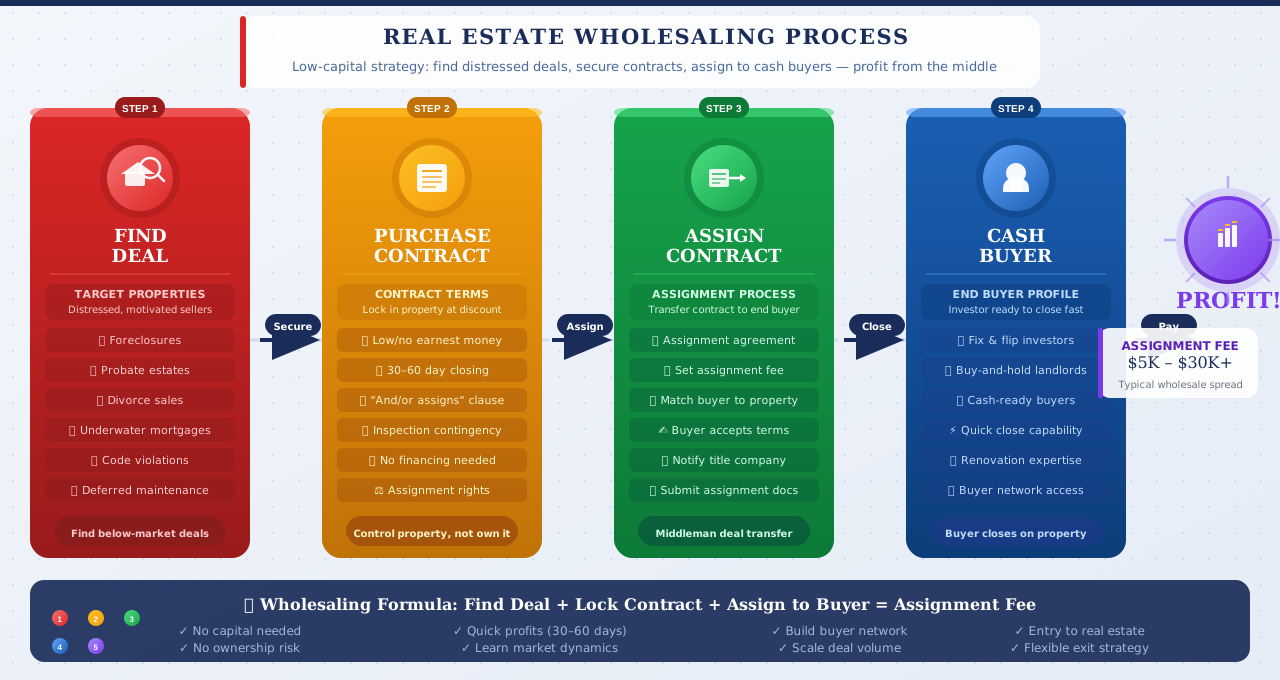
It’s when you find a property in a distressed condition, get it under contract to buy within a specific period of time at a price below market value, and then sell it for a higher price.
What Does It Mean to Put a Property Under Contract?
Putting a property under contract in wholesaling means promising to buy the property within the agreed-upon period. But that doesn’t mean closing the deal yet — a wholesaler needs to find an actual buyer to sell the property at a higher price.
For example, you find a property at $100K and put it under contract. Then you find a cash buyer to resell the contract to at $110K. The $10K difference is your profit.
Do Wholesalers Pay the Seller Upfront?
Typically, no. The wholesaler puts down a small “earnest money deposit” — usually less than 10% of the property’s value — which is held in escrow until the contract is finalized.
How to Put a Wholesale Property Under Contract
- Negotiate the initial deposit (less than 10% of the property’s value).
- Create a sale and purchase contract and make it assignable.
- Have the seller’s attorney prepare and send the contract to your attorney.
- Sign the contract and send it back to the seller, along with the deposit.
The Purchase and Sale Agreement
This agreement between wholesaler and seller includes: involved parties, purchase price, earnest money deposit, title details, property description and condition, closing date, contingencies, closing costs, and other terms.
The Assignment Contract
This contract between the wholesaler and end buyer includes: assignor and assignee details, assignment fee (your markup profit), property description, closing date, terms of the original contract, and other agreed-upon terms.
Who Do Wholesalers Sell To?
- Rehabbers (fix and flippers): Purchase, fix up, and resell for profit.
- End users: Individuals or families who intend to live in the property.
- Landlords: Investors who purchase to rent out, collecting monthly income.
- Other wholesalers: May purchase deals from other wholesalers for resale.
Two Ways to Close Wholesale Deals
- Assigning a contract: Transferring your rights to another buyer.
- Double closing: The wholesaler buys and immediately resells, keeping the original purchase price hidden from the end buyer.
What to Look for When Buying Properties to Wholesale
- Distressed condition: Outdated, overgrown, moldy — properties a homebuyer can’t move into yet.
- Distressed sellers: Owners facing foreclosure, short sales, inherited properties, relocation, divorce, job loss, health issues, back taxes, or tired landlords.
To succeed in wholesaling, you’ll need a strong lead manager to find motivated sellers and an acquisitions manager to close the deals. Keep your finances organized with a bookkeeper, and understand how hard money lenders can fund your deals when needed.