 Types of Refinance for Real Estate Investment Properties
For rental property owners who want to continue buying more property through refinancing, the first thing to think about is the type of refinancing you should get and what you’re looking to do with it.
It’s either going to be for a property that you’d be keeping for a long period of time or for a property that you just want to fix up and sell for profit.
Before anything else, if you don’t have a clear understanding of what a mortgage refinance is, please read this post first: What Is a Cash-Out Refinance?
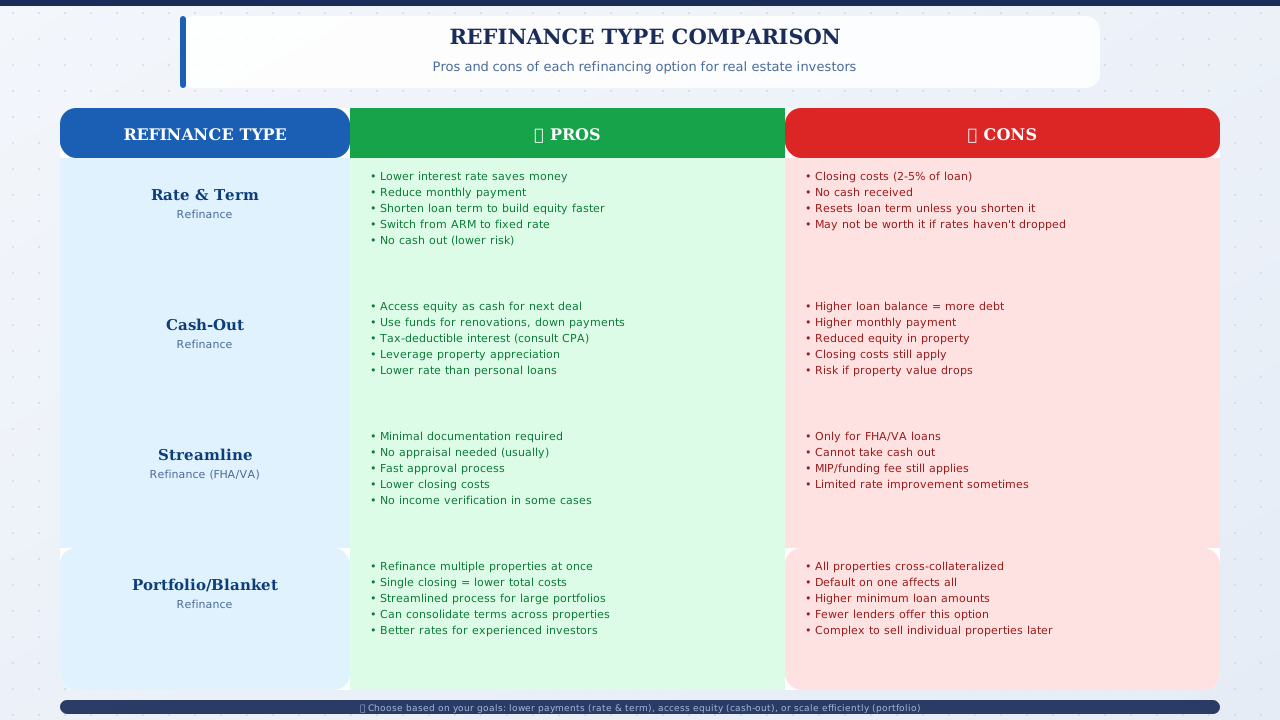
1. Rate and Term Refinance
Best for lowering the interest rate on your existing loan. For example, if an investor has a 30-year fixed-rate mortgage at 4.5% on a $200,000 property and refinances to 3.5%, the monthly payment drops from $1,013 to $865 — a savings of $148 per month. Over the life of the loan, total interest savings would be $37,240.
Pros:
- Perfect for lowering your existing interest rate.
- No additional risk because no extra cash is being taken out.
Cons:
- The lender may require a property appraisal and additional documentation.
- Lenders may not refinance at a lower rate if your property has appreciated significantly.
2. Cash-Out Refinance
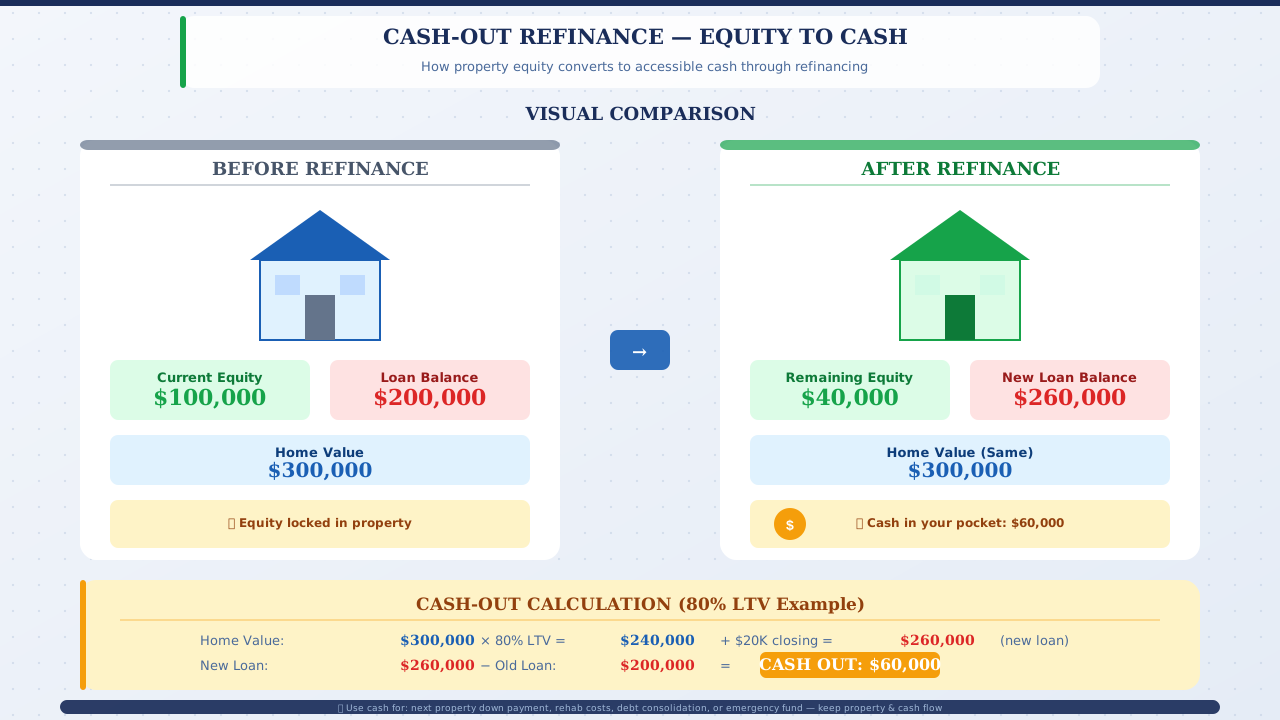
Best for investors who want to take out a new loan by leveraging the equity built up in their property.
Pros:
- Access to up to 80% of your property’s value to purchase additional investments or pay off debts.
- Best for investors with at least 20% equity in their properties.
Cons:
- Higher interest rates and fees.
- Higher risk of foreclosure if the investment doesn’t perform as expected.
Note that your refinance can be a combination of both rate-and-term and cash-out. This means you can negotiate a lower interest rate while also taking out cash — though not all lenders offer this.
3. Home Improvement Refinance
Perfect for investors who want to increase their home’s value through repairs or upgrades without overborrowing. The main difference from a cash-out refinance is that you can only borrow a smaller amount specifically for home improvement projects.
Where to Refinance Your Mortgage
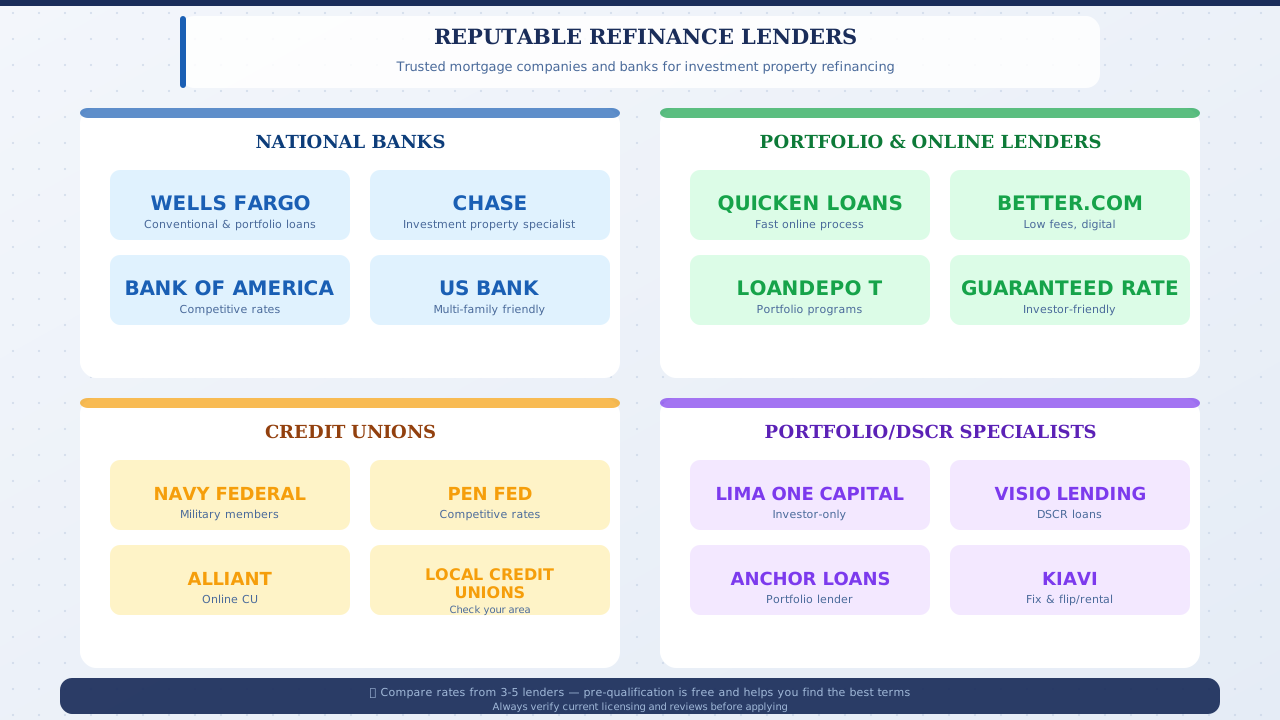
Options include national banks (Ally, Chase, Wells Fargo, Bank of America), credit unions (Navy Federal, Pentagon Federal), mortgage companies (Quicken Loans, Rocket Mortgage, SoFi), and online lenders (LendingTree, Better Mortgage, Pennymac).
Tips Before Refinancing
- Don’t rush: Take the time to research and compare interest rates.
- Shop around: Compare rates from multiple lenders.
- Consider long-term goals: Think about how refinancing impacts your investment strategy.
- Seek professional advice: A mortgage broker can help you understand your options.
- Avoid taking on too much debt: If doing a cash-out refinance, plan ahead for what you’ll do with the money.
- Consider the loan length: Every time you refinance, go for the longest term possible to give yourself flexibility.
If you want to understand the monthly expenses you’ll be paying on your refinanced property, or if you need a bookkeeper to keep track of all these financial activities, be sure to check out our other posts.