What Is the BRRRR Method in Real Estate Investing?
Whether you’re just curious to know what the BRRRR Method is or you’re on a journey to doing business and property investment, knowing how the BRRRR strategy works in real estate is going to help you succeed.
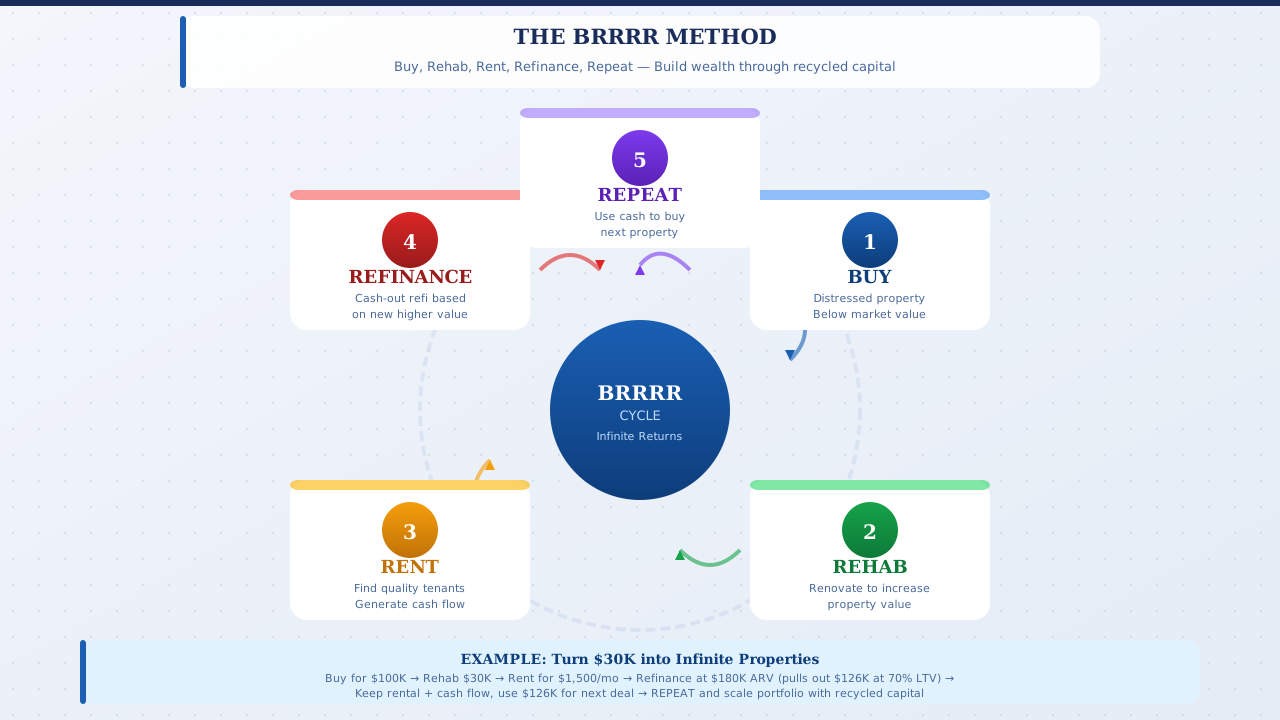
BRRRR, which stands for Buy, Rehab, Rent, Refinance, and Repeat, is a business and investment strategy in real estate with the main goal of being able to buy property without using any of your own money.
But what exactly is the BRRRR method and how does it work? To simplify, BRRRR is defined as follows:
1. Buy
Simply put, buy a house at a low price. Buying a house at a discount is a good way to start. But how exactly do you buy your first rental property? There are a couple of things you need to look for, and they are as follows:
A. Which part of town is it in: As far as location goes, you want to avoid areas where the rental property is so expensive that the rental income won’t even be enough to cover the mortgage. At the same time, you don’t want to go too cheap because that place might not generate much rental income at all.
Try to find a location where there’s a strong rental market. That means finding out whether or not the rental properties around the area have a high vacancy rate. In other words, you want to look for a location where the vacancy rate is as low as possible.
B. What type of property are you buying: Buying your first investment property can be a hard decision, especially if you don’t know what you’re looking for. The pros and cons should be taken into account to help you decide which property to go for. Read more: What type of rental property should you buy first?
C. What type of finishes are you going to want: Knowing and choosing the right finishes for your home can have a big impact on what it’s going to be worth. The main finishes your home may need include facing, plastering, woodworking, flooring, painting, wallpapering, and glazing.
D. The age of the property: This one’s simple. Don’t buy an old house that has deferred maintenance issues. However, did you know that a new home is, on average, 10–20% more expensive than a similar updated older home? That said, if you know that you can buy a cheap old house, fix it, and still save 10–20% of what you’d spend buying a new one, then go for it.
2. Rehab
Rehab the house to maximize the rental rate. This part is probably the most important part of the BRRRR Method.
But how exactly do you start the process of rehabbing your house? The first step is to find a good contractor to renovate your house. It’s a good thing to leverage the skills of other people. Remember to get at least 3 quotes for every job, which means 3 bids you can compare and go with the one that has a reasonable price.
The list of work that contractors do includes painting, flooring, light fixtures, plumbing fixtures, roofing, and windows. Getting contractors can also help give you the estimated cost to fix the house and suggestions on what to fix so you don’t have to figure that out yourself.
3. Rent
Start renting out the house. This is where the money comes in. But before you rush, here’s what to look for when finding a tenant:
- Good income
- High credit score
- No recent eviction
- No criminal records
Taking these things into account can help you avoid high tenant turnover. And if necessary, try to run a background check to make sure you have the best tenant possible. Also, know that good and responsible tenants understand they’re in charge of cutting the grass, snow removal, gutter cleaning, and changing the AC air filter.
4. Refinance
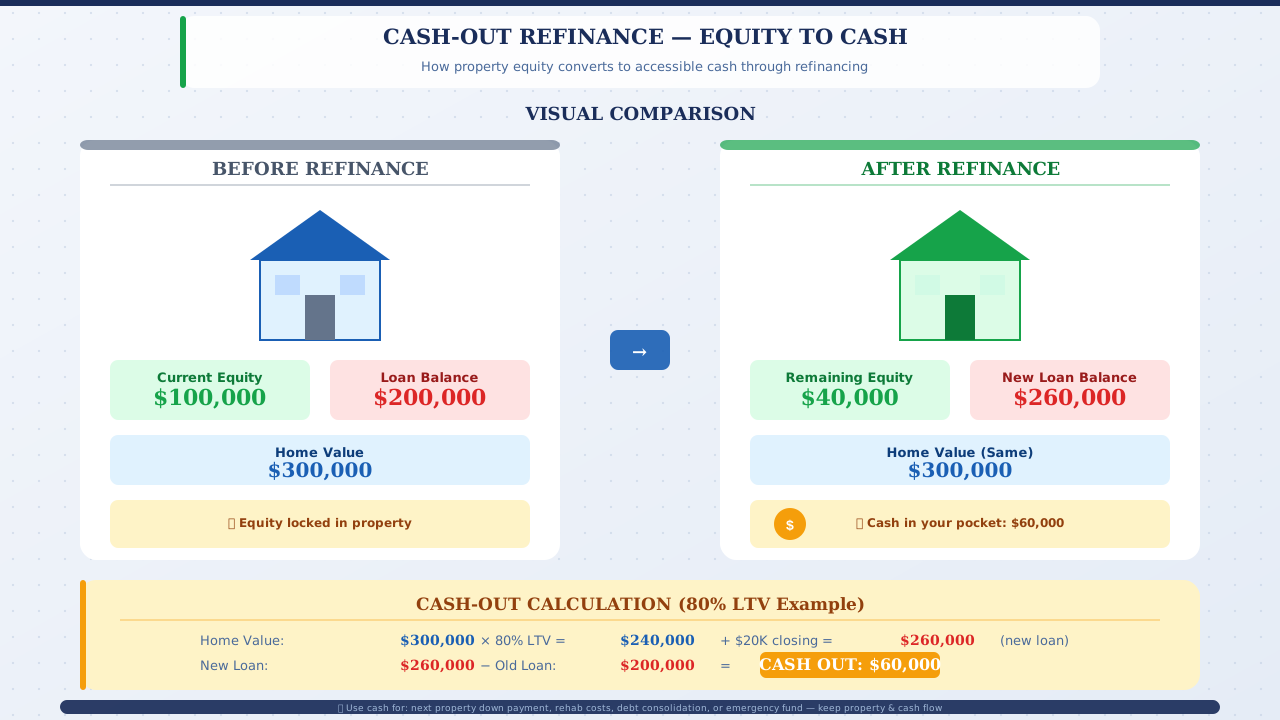
Apply for a cash-out refinance loan to recapture your property cost. Getting a refinance loan will be easier because the bank can just look at your asset — the property that you bought — and because that property was just rehabbed, its value has probably gone up. The bank then, most of the time, will have no trouble getting your loan approved.
If in any way you do face some trouble with the bank and your refinance loan gets disapproved, there’s always the option to get a short-term loan from a private money lender or a hard money lender. To understand the different refinance options available, check out our post on the types of refinance in real estate.
5. Repeat
Find another property to buy and use the refinance money to fund the purchase. That’s the beauty of BRRRR — you keep recycling your capital and growing your portfolio. If you want to understand the monthly expenses you’ll face as a landlord, be sure to read our breakdown before jumping in.