What Is a Hard Money Lender?
For house flippers and generally people doing real estate, a lot of times you’re going to use a hard money lender in order to get your deals done.
Hard money lenders are businesses that lend money to real estate investors for a living. These loans are typically paid back within a period of 12 to 24 months and often come with higher interest rates than those offered by traditional lenders or private money lenders. However, they still get the deal done.
How Do Hard Money Loans Work?
- Hard money loans are based on hard assets (the actual property itself) more so than on your personal background. This means that hard money lenders are less likely to base your loan application strictly on personal income documentation, tax returns, or credit score like a normal traditional bank lender would. Hard money lenders would rather see your existing funds and property that you can collateralize. They also won’t care much about the property’s condition because as long as there’s a deal to be had, they will likely lend to you.
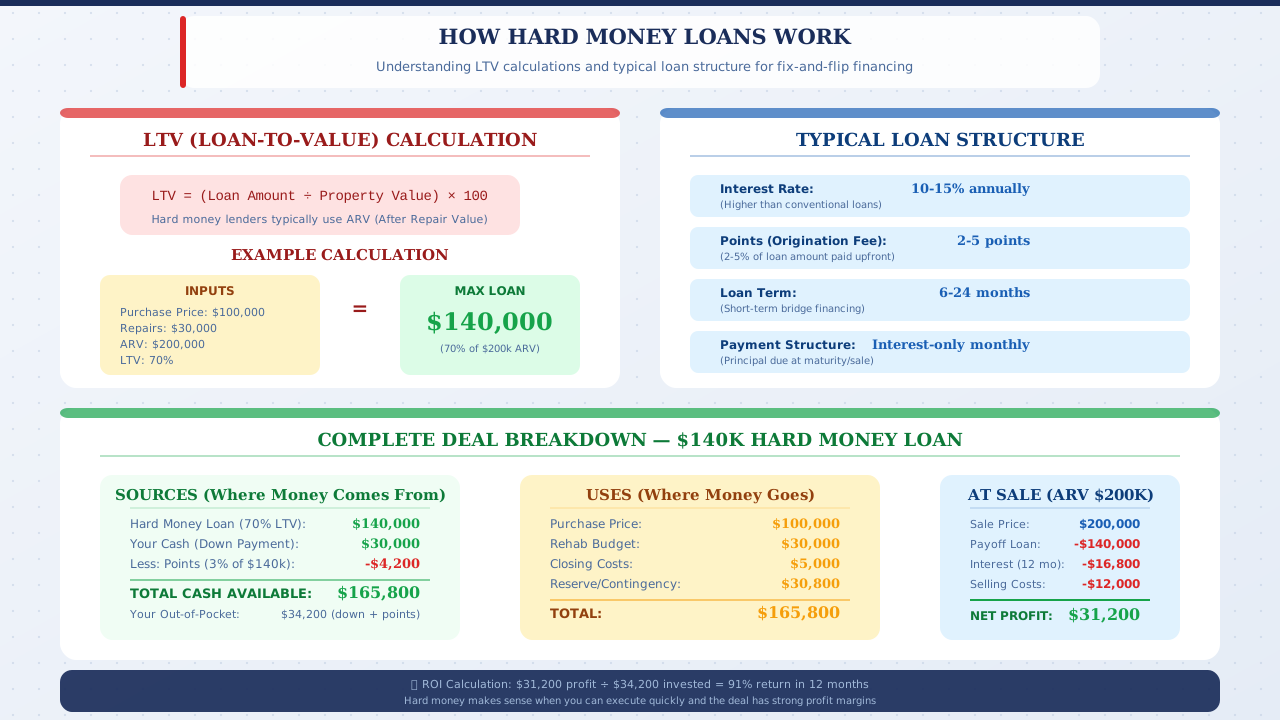
- Hard money loans can be relatively expensive. Their interest rates can be somewhere around 8% to 15% of the loan amount. This type of loan is not ideal for non-business transactions.
- Understanding LTV (Loan to Value). Hard money lenders often provide loans equal to a certain percentage of the value of the property being purchased. For example, if the value of the property is $200,000, the lender may provide a loan of up to 80% of that amount, meaning the borrower would need to come up with the remaining 20%.
- Fees. Hard money loans have an origination fee of 1% to 2% of the loan amount, paid upfront. There’s also a processing fee, which is a flat fee for the loan being done.
- Is your ARV relative to your loan amount? Your loan has to be at least less than 75% of the ARV (After Repair Value) of the property. If your ARV is too small, hard money lenders are more likely to reject your application because that means you’re not going to make any profit on the deal.
What Documents Are Required for a Hard Money Loan?
- ID: Government-issued identification to verify your identity.
- Articles of Corporation: If purchasing through an LLC, you’ll need to provide these documents.
- Operating Agreement: This outlines the rules and regulations for how your LLC will operate.
- EIN Number: Your Employer Identification Number assigned by the IRS.
- Bank statements: To provide a snapshot of your financial activity.
- Brokerage forms: Depending on the lender, you may need to provide these as collateral.
Costs and Fees Associated with Hard Money Loans
- Down payment: Somewhere between 10% to 30%
- Closing cost (Origination Fee): 1% to 2%
- Rehab cost: They’ll need to see if you can cover necessary repairs
- Six months’ worth of reserves (interest payments)
When it comes to the property itself, hard money lenders will need a signed purchase agreement, title or escrow setup, a BPO (Broker’s Price Opinion), and insurance provider information.
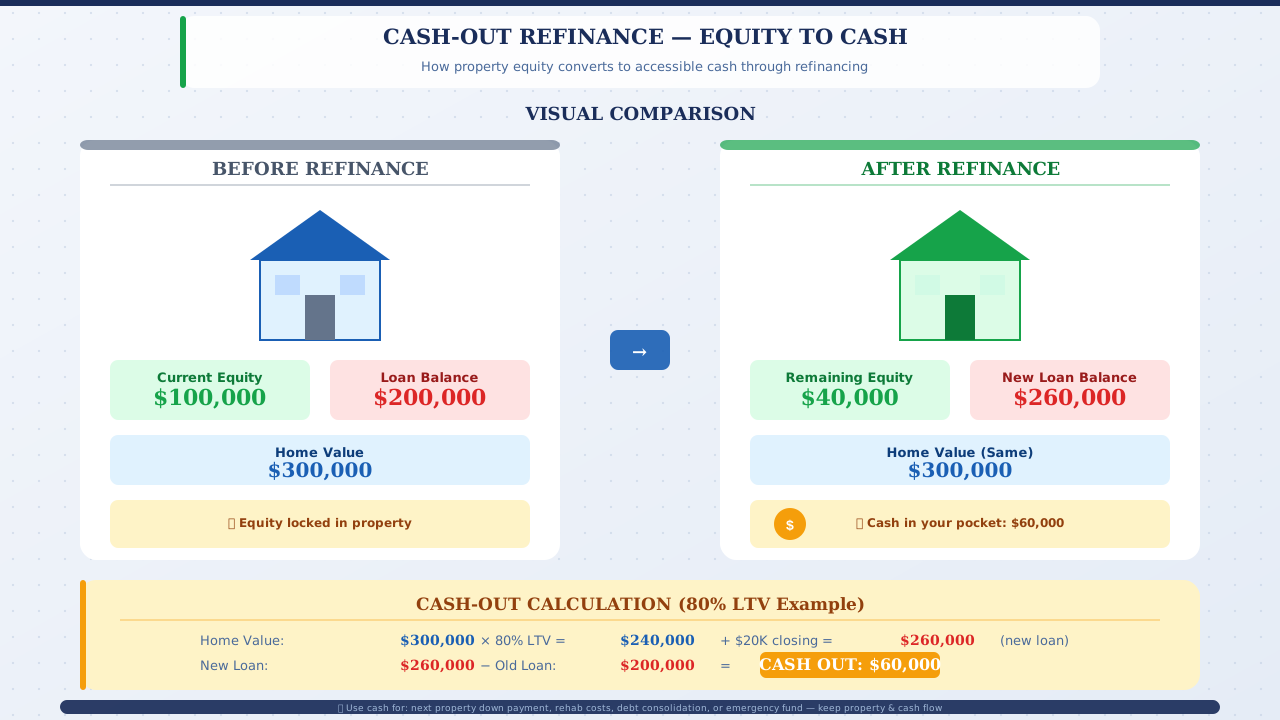
Most hard money lenders have loan minimums. If a hard money lender has a minimum of $150,000, then your loan can’t be any less than that. If that’s outside your budget, consider looking for other lenders with a lower minimum, or explore different types of refinancing that might work better for your situation.
How to Become a Hard Money Lender
- Raise capital. You need access to private capital — your own money or someone else’s.
- Get access to deal flow. Identify your geographic areas. You can lend locally or go nationwide.
- Find borrowers. Prospect from your existing network or leverage online marketing through Facebook and Google ads.
- Build internal and external teams. Internal team: loan originators, processors, marketers, and bookkeepers. External team: attorneys, real estate agents, contractors, and title companies.
- Define your business model. You get to make all the rules, including underwriting criteria and costs for borrowers.
- Find the right lending partner (capital investors).
Recommended Hard Money Lenders
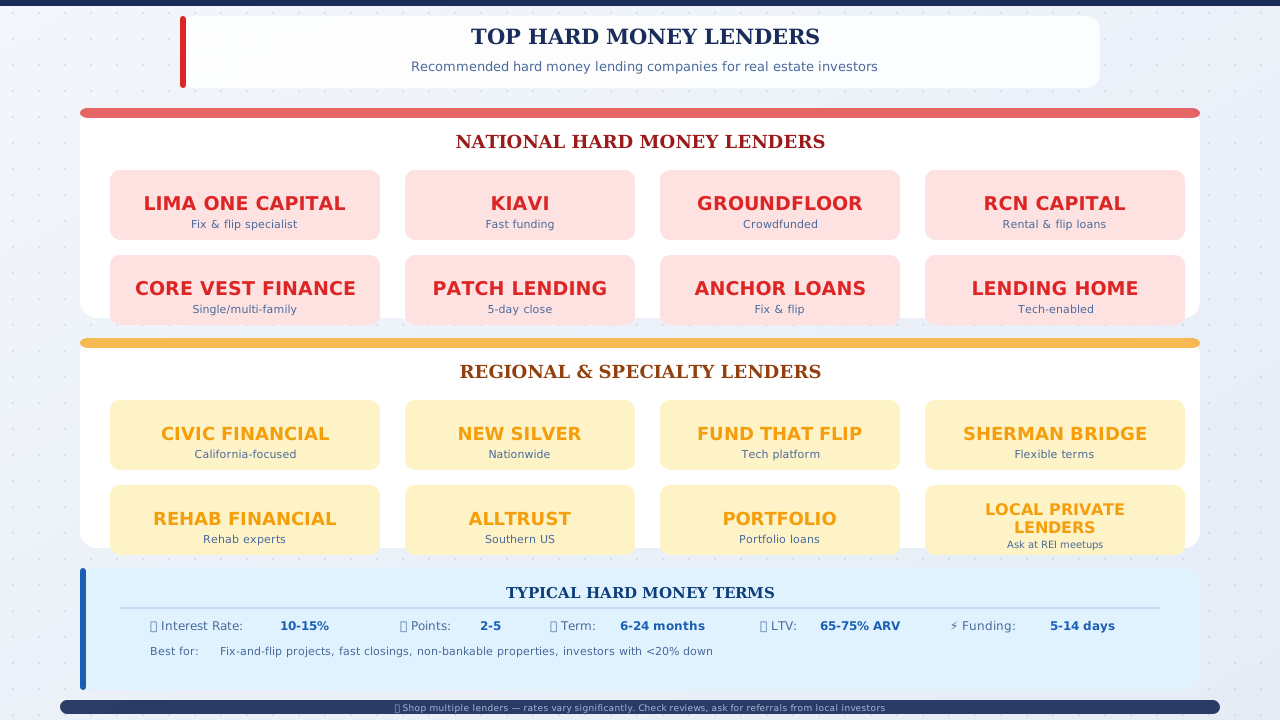
- LendingTree: Good option if you want to shop around and compare offers from several lenders.
- Lima One Capital: Well-respected lender specializing in financing rental properties.
- Visio Lending: Competitive rates and flexible loan terms with an online application process.
- RCN Capital: Strong track record for fast turnaround times.
- LendingHome: Competitive rates, fast funding, simple and transparent process with no hidden fees.